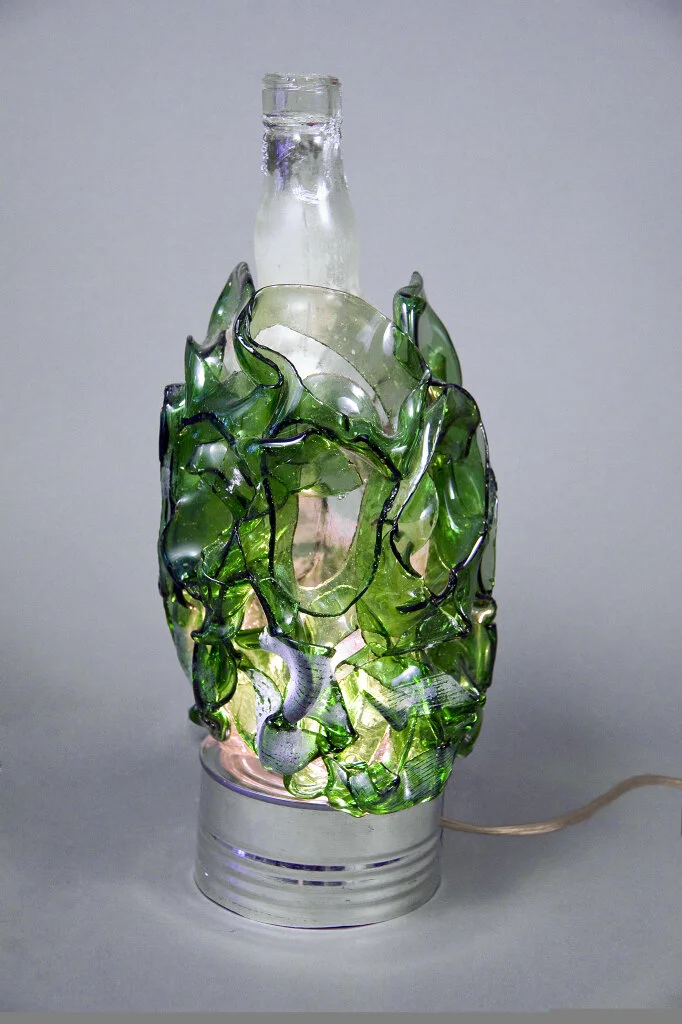
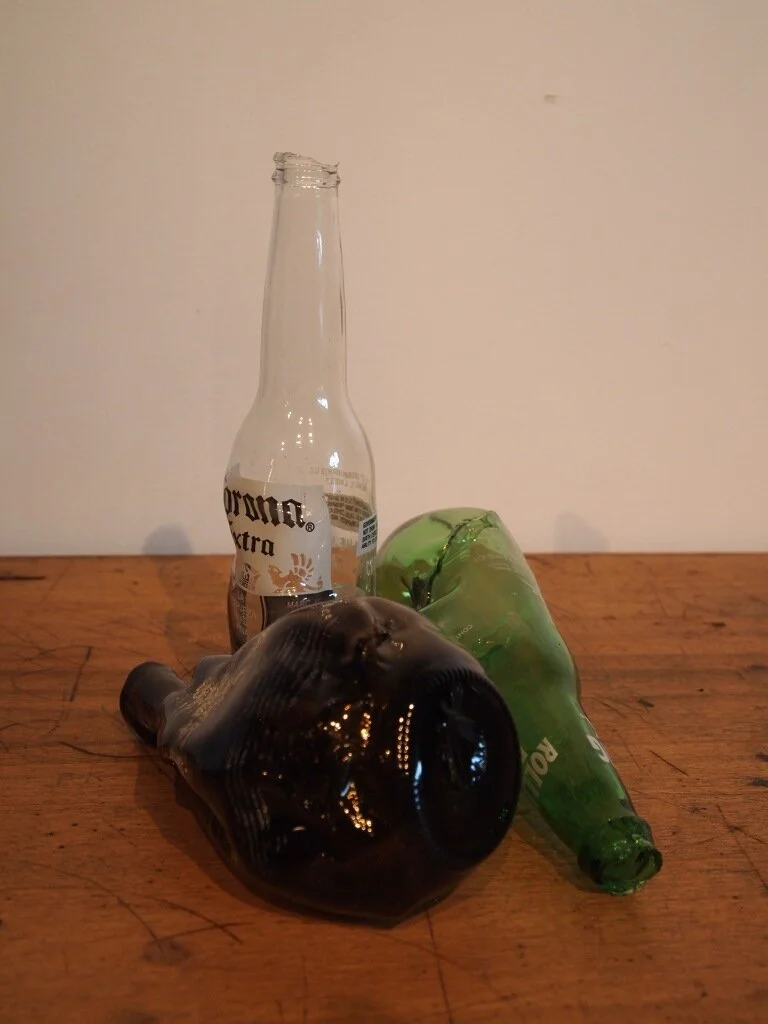
Revolutionary Light, 2015
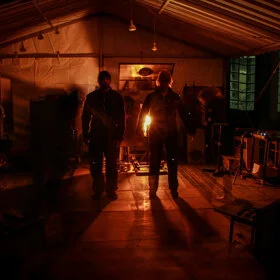
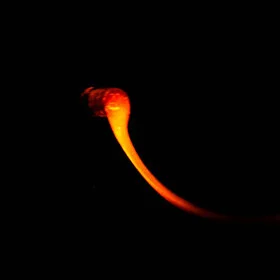
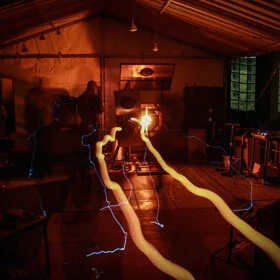
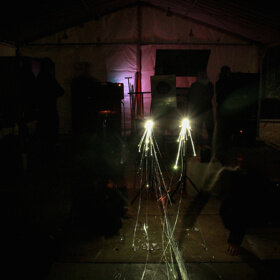
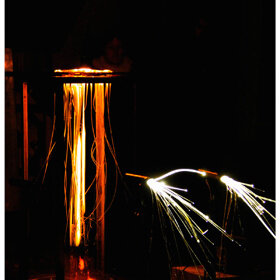
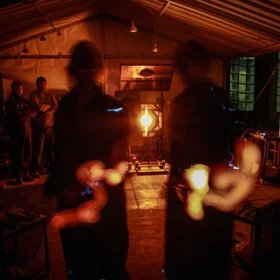
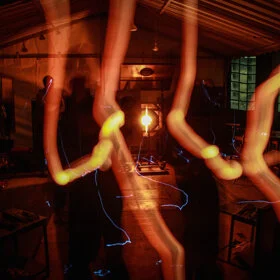
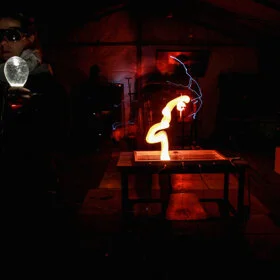
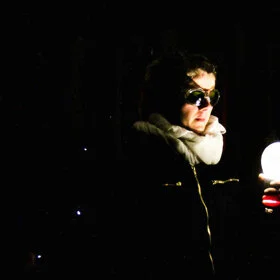
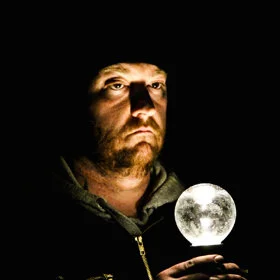
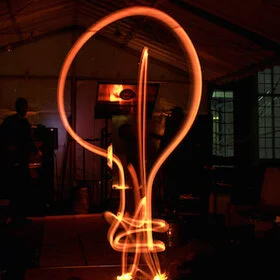
Performance with Marc Barreda at the Design museum Gent as part of the Lightopia Exhibition.
The One Best Way To Do Work, 2013
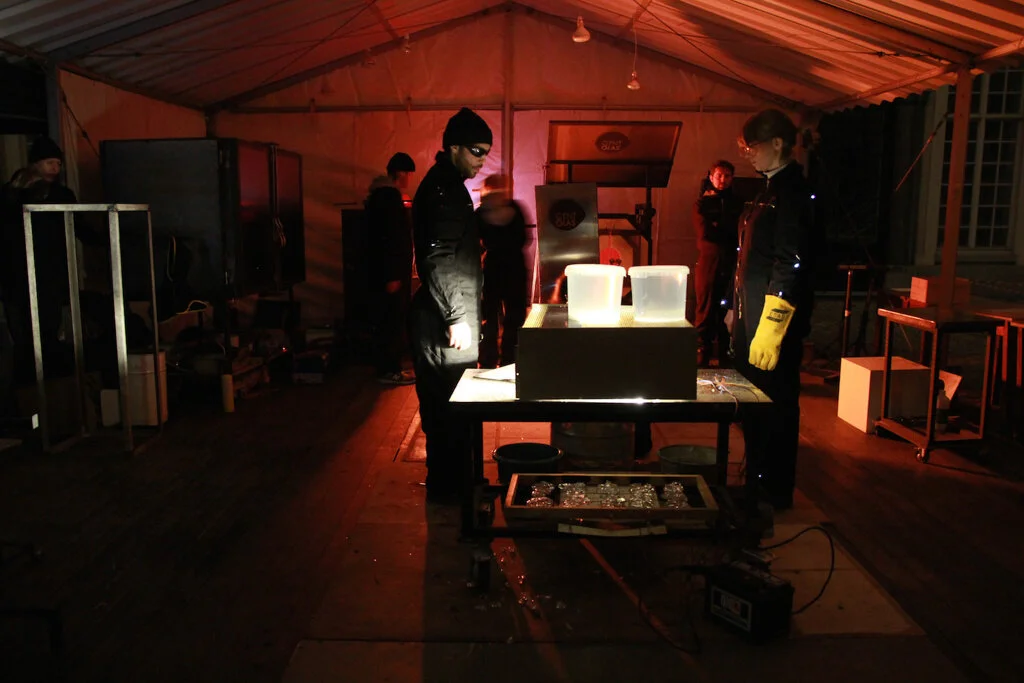
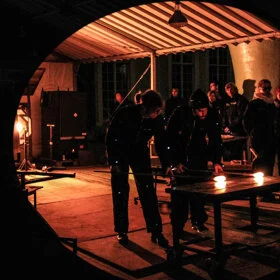
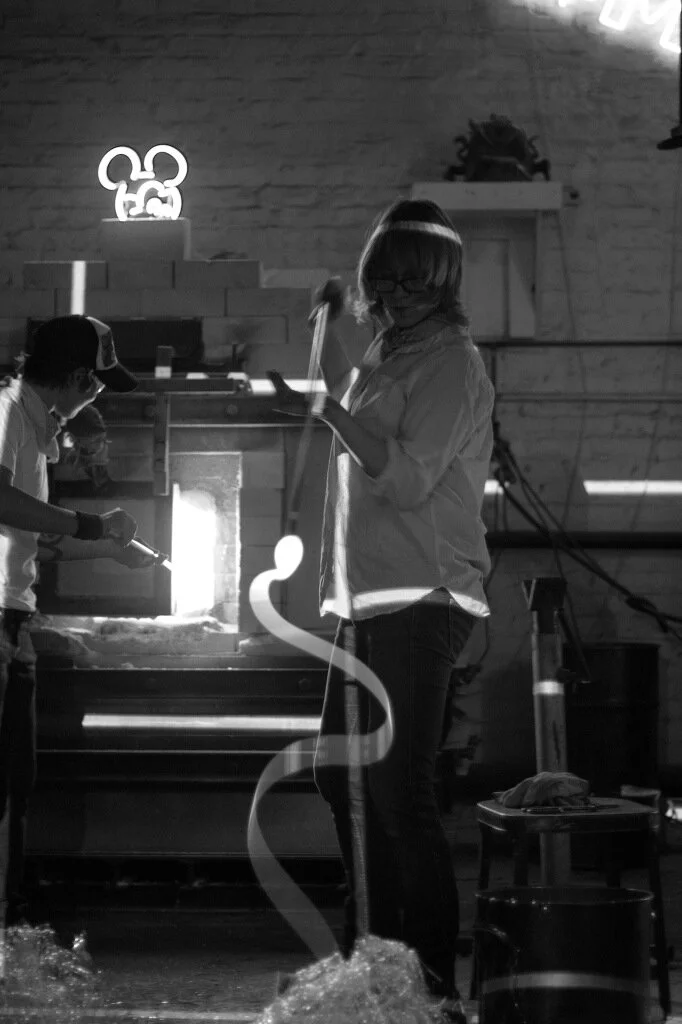
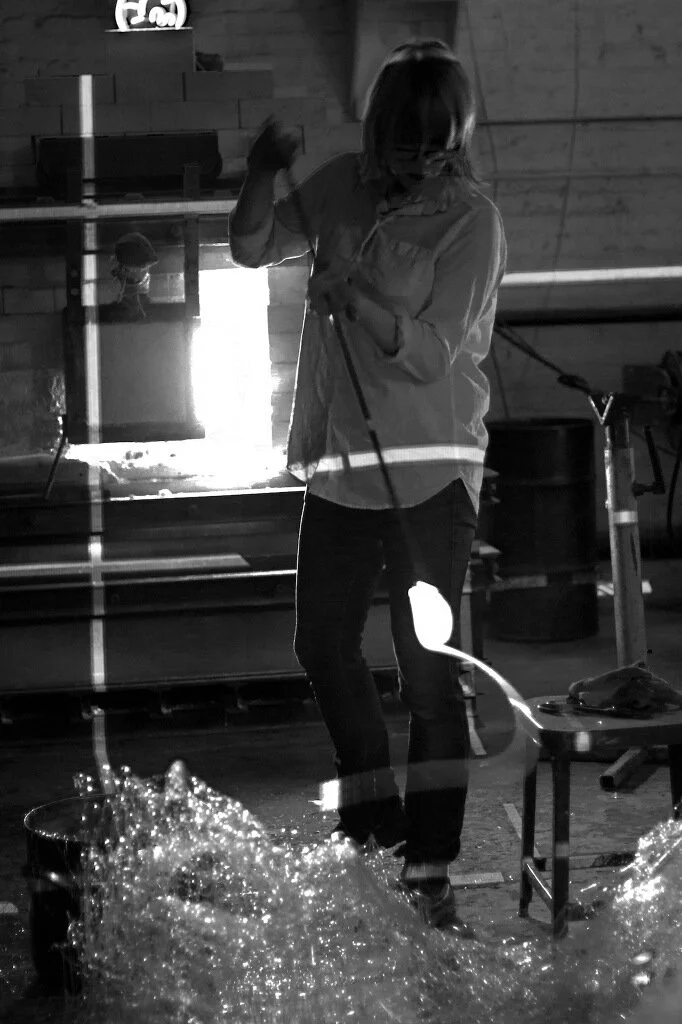
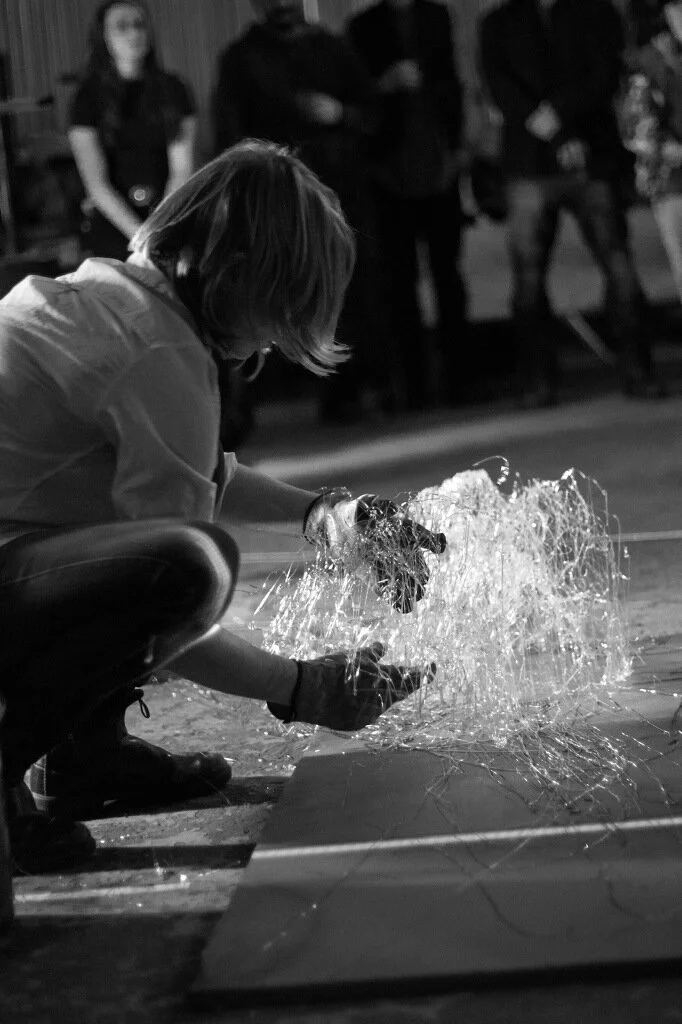
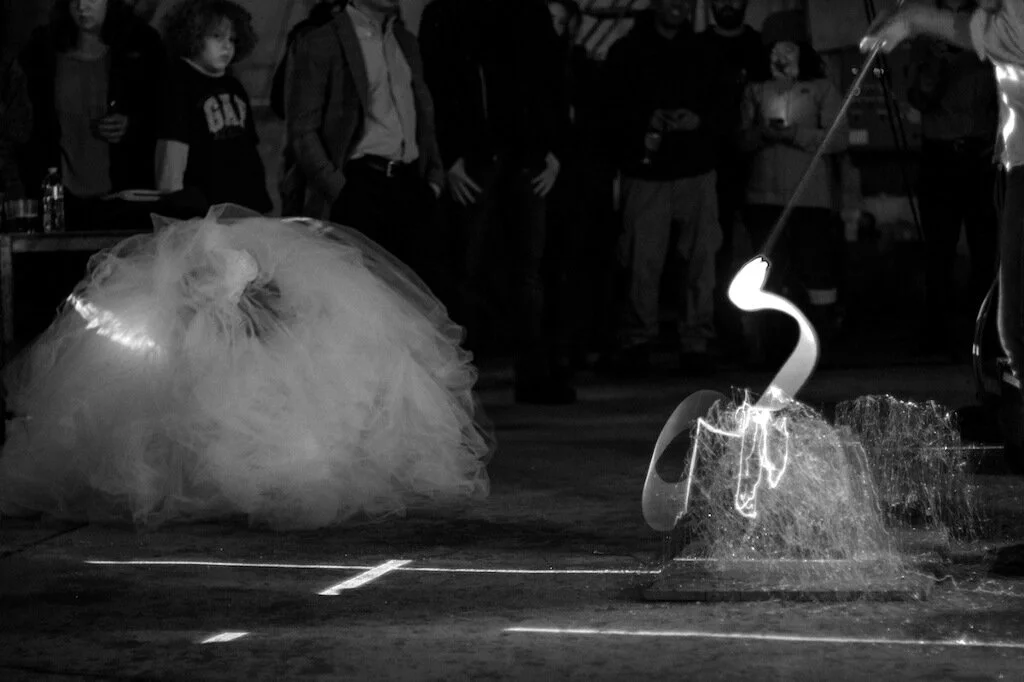
Performance at Brooklyn Glass, Brooklyn, NY
Based on an essay by Frank Gilbreth, The One Best Way To Do Work is a performance that questions the role of the artist in the context of the glass studio. The glass studio is often considered a place of production where artists attempt to make their process fit into the rules and standards that the space demands. What happens when these constraints bump up against the act of art making? This tension is explored through The One Best Way To Do Work, where Frank Gilbreth’s paper “The Fourth Dimension Of Measuring Skill” is pitted against Harvey Littleton’s sentiment, “To divide what should be a single unbroken act of artistry into a series of functions is to destroy it.”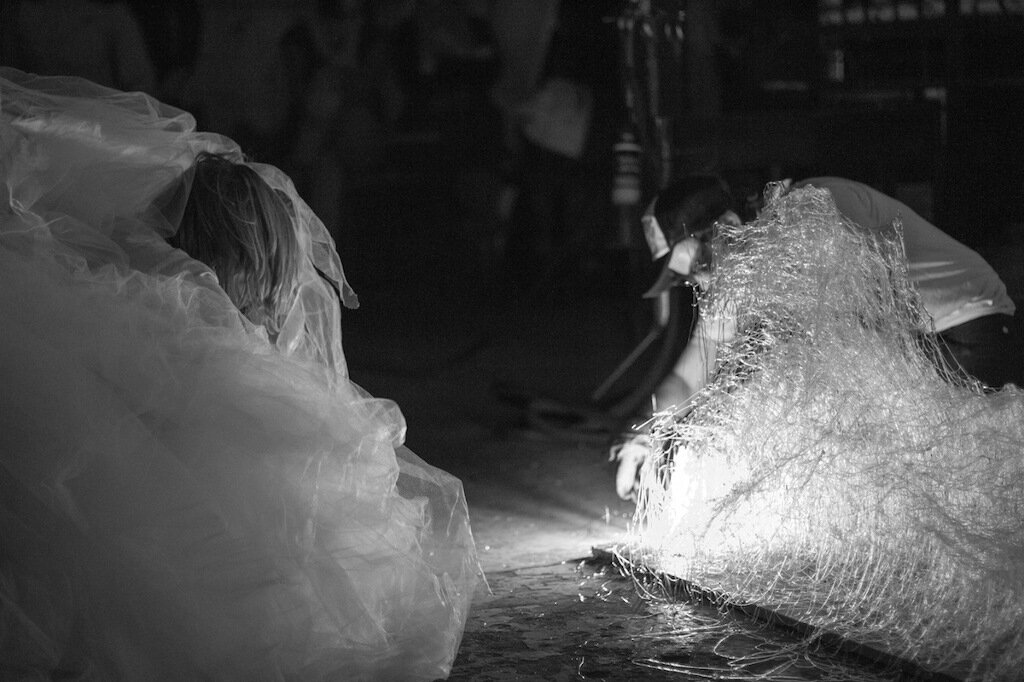
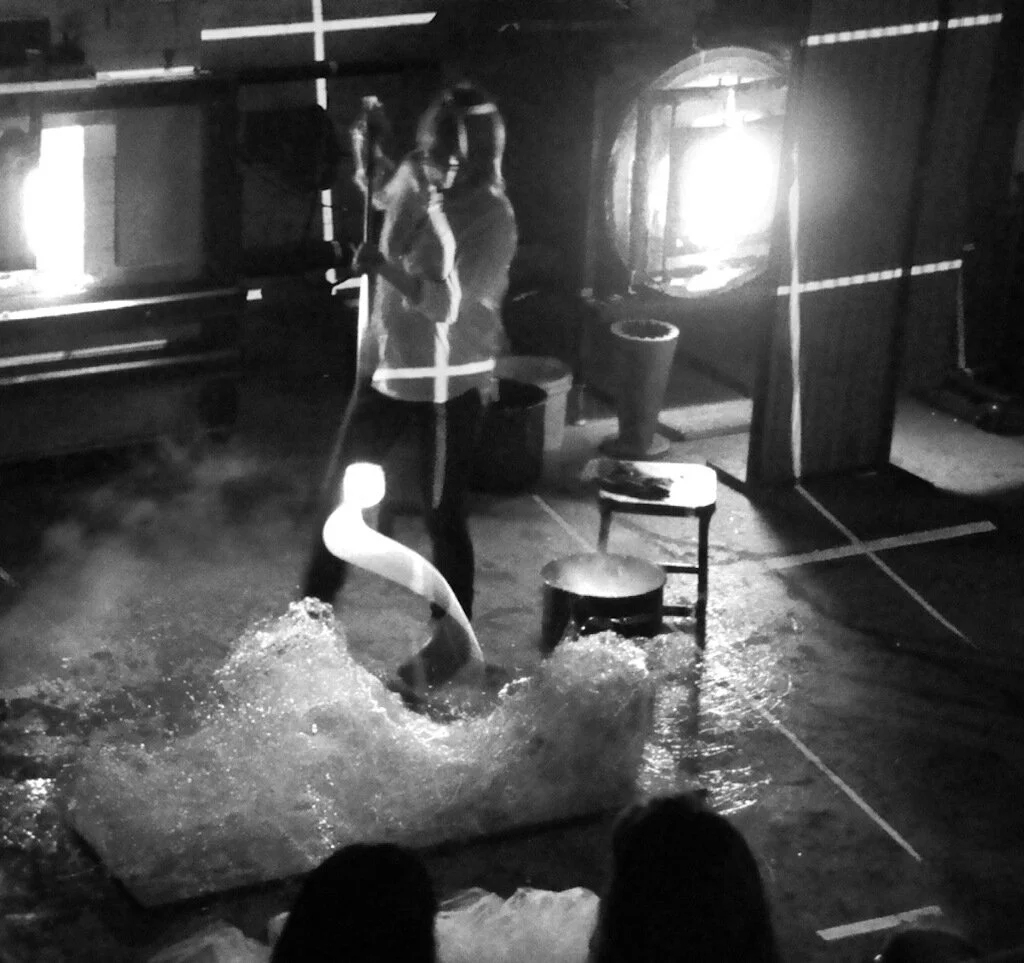
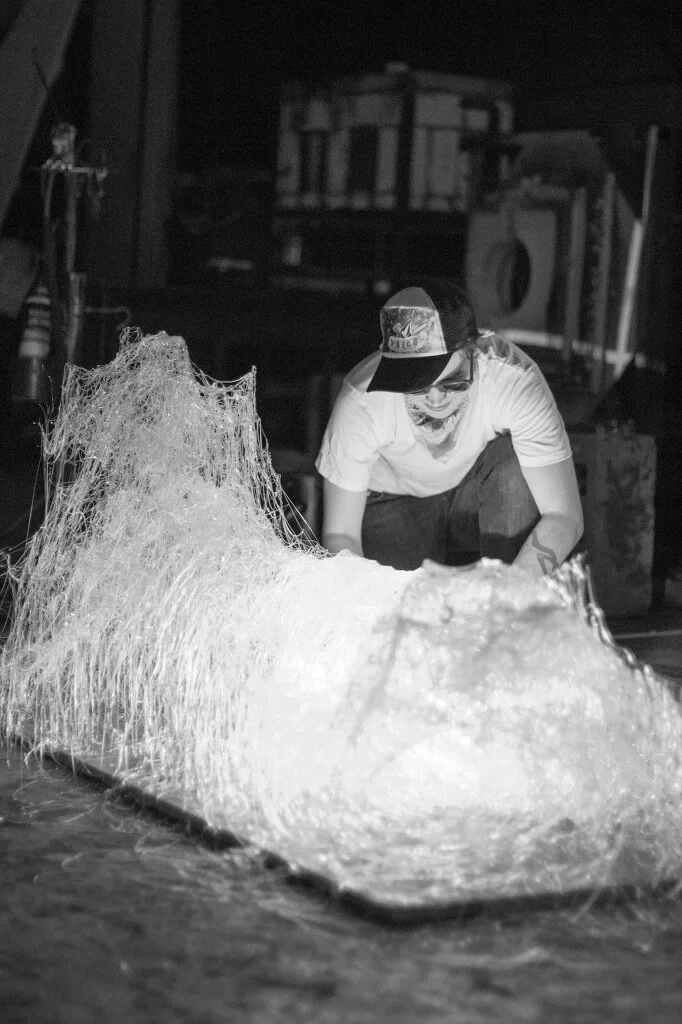
The Fabritory, 2011
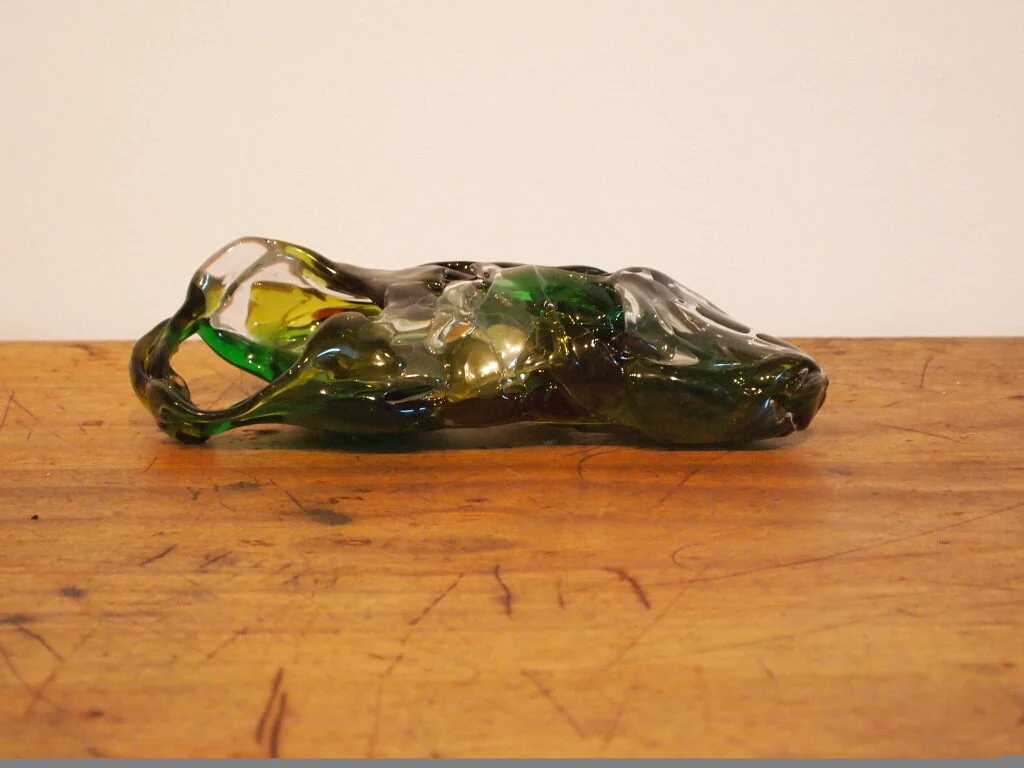
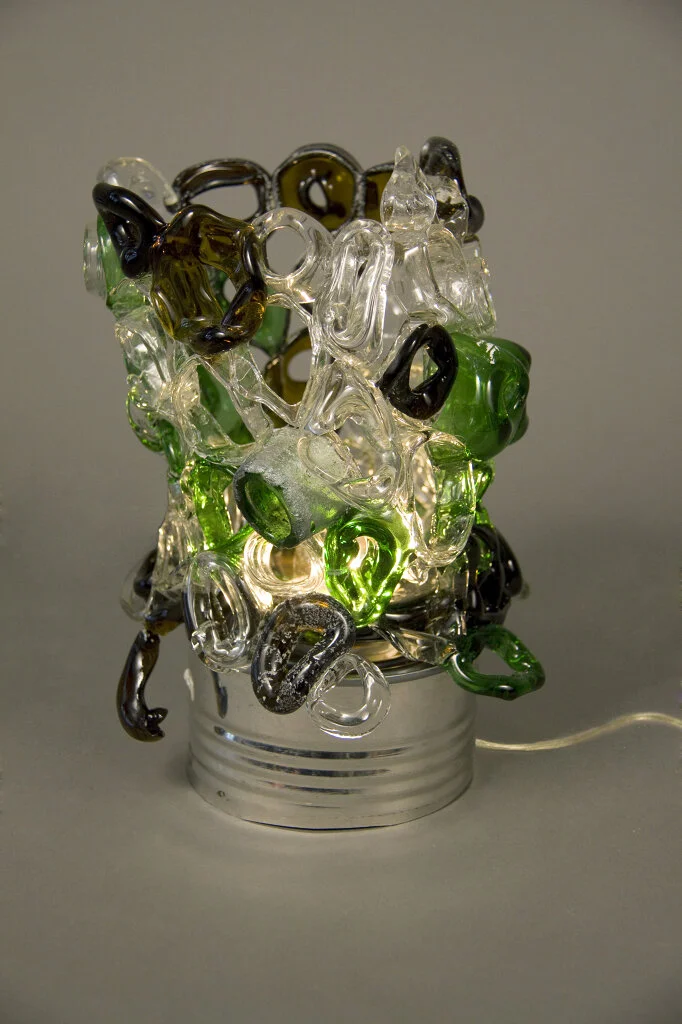
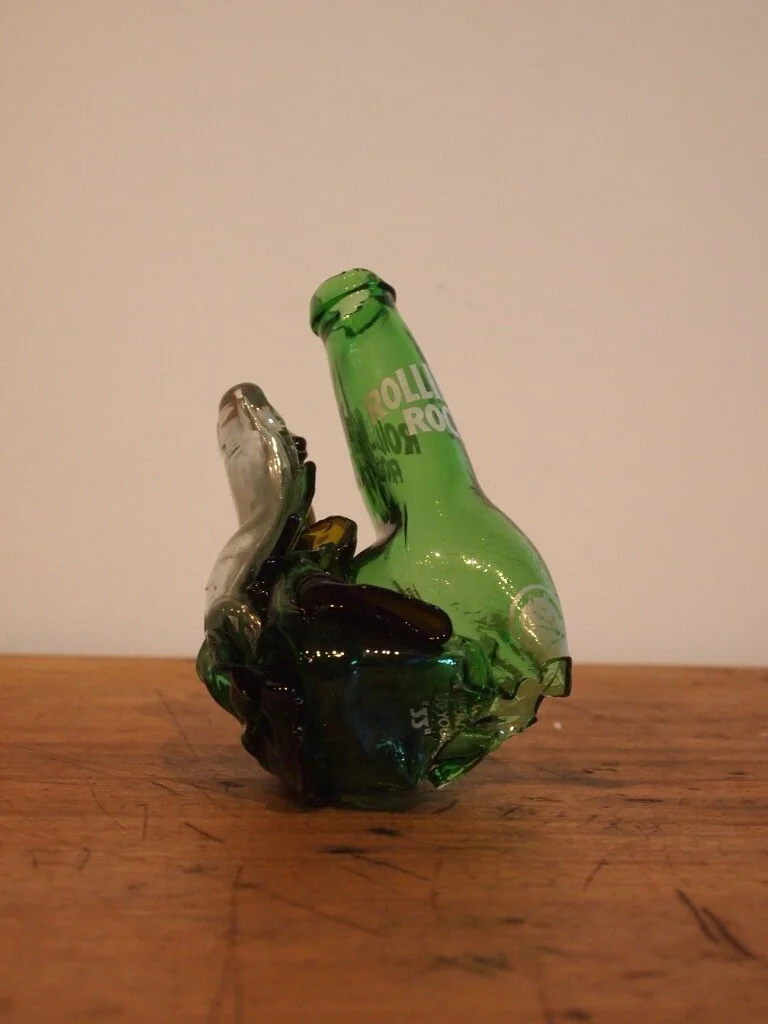
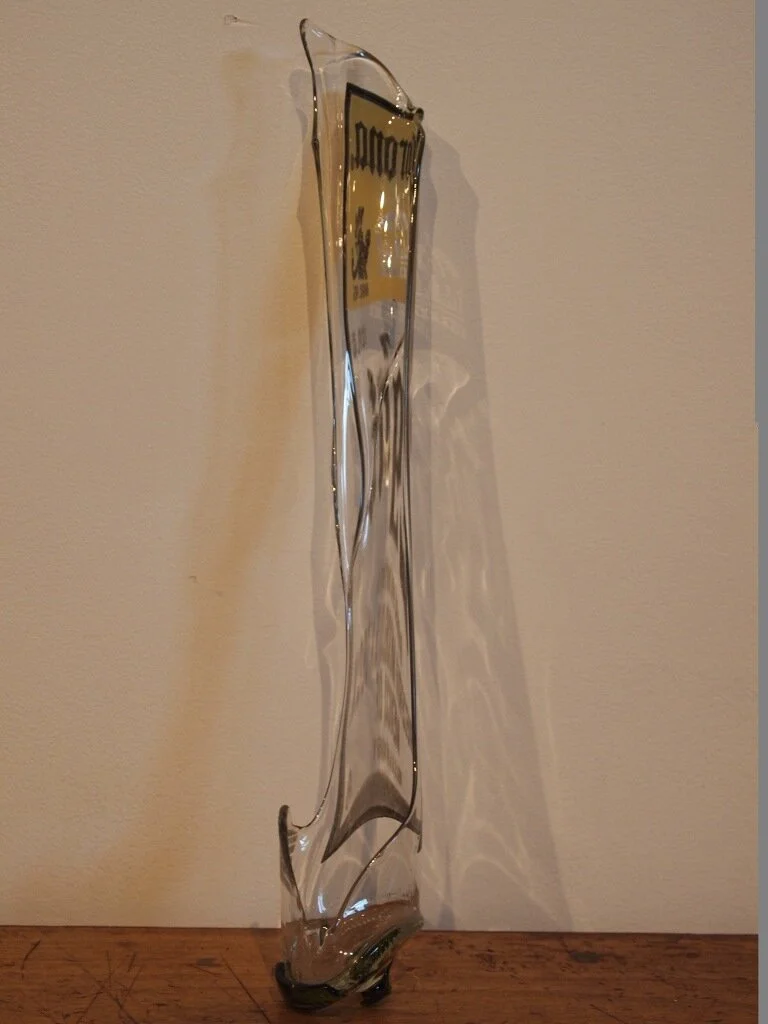
The FABRITORY is a collaborative art and awareness project by Deborah Czeresko and Kim Harty.
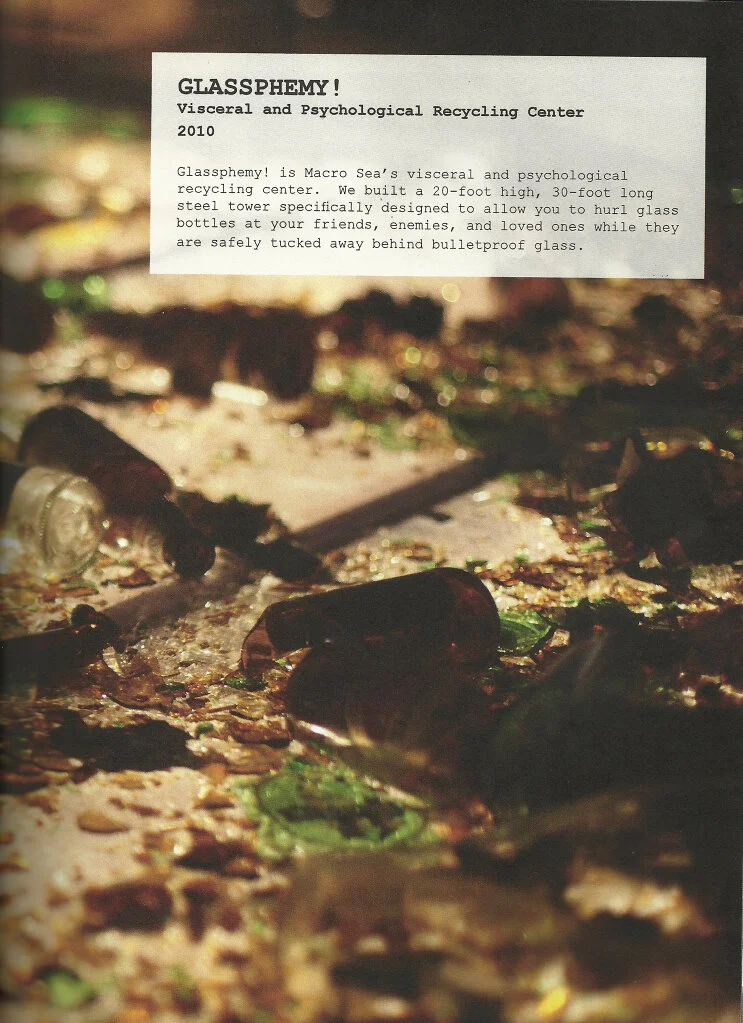
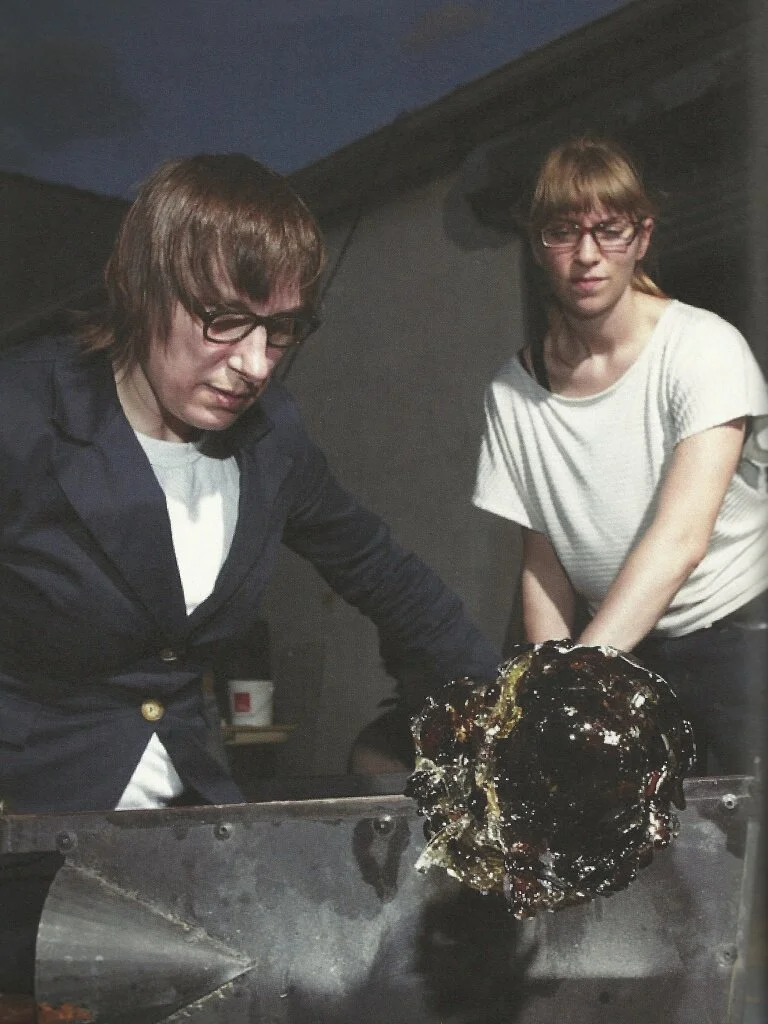
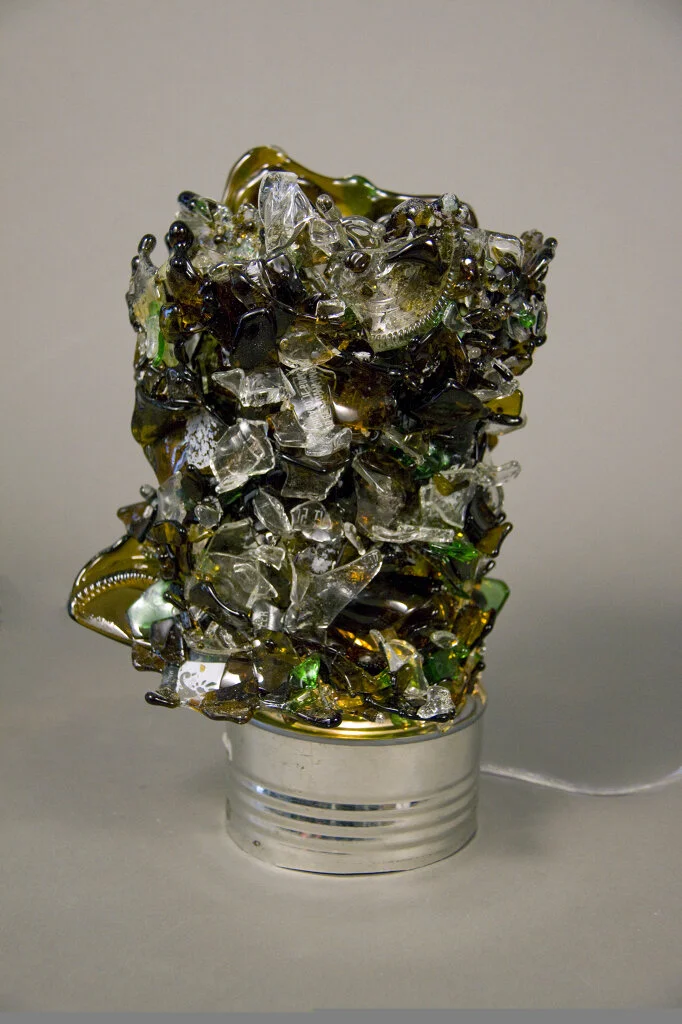
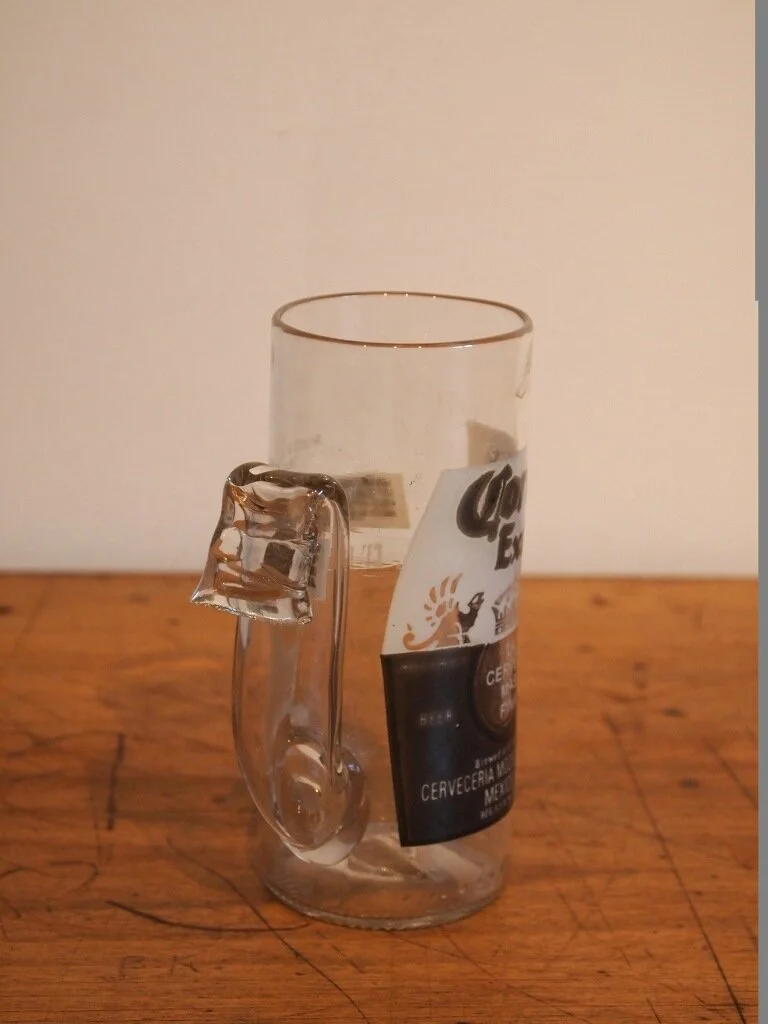
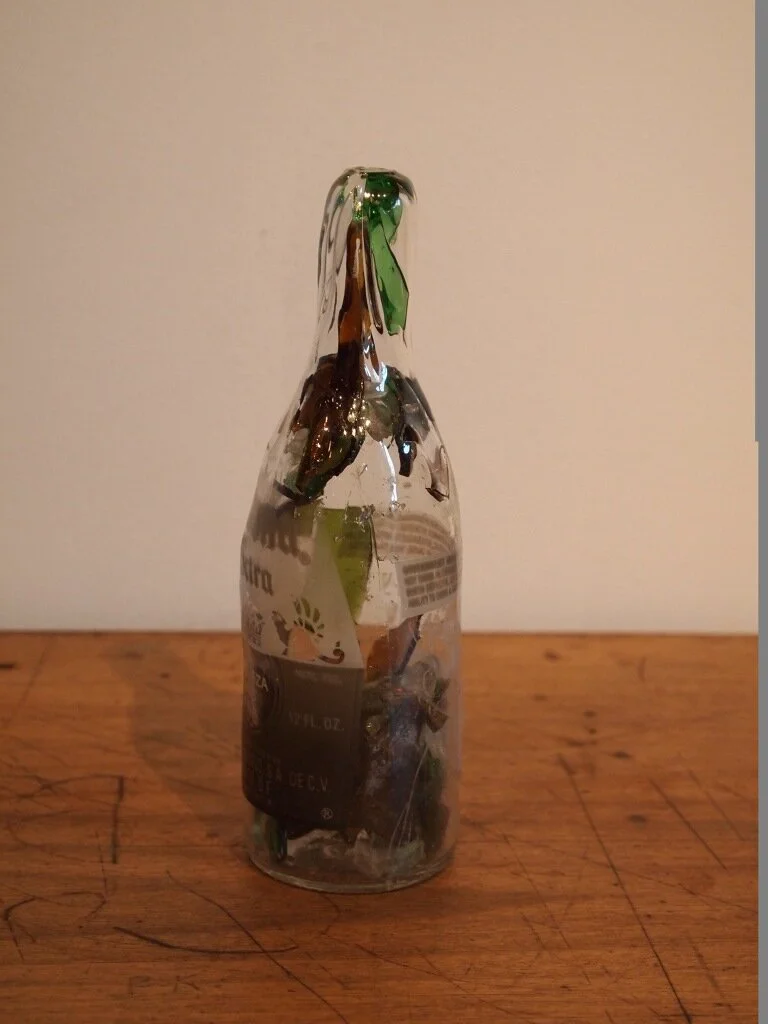
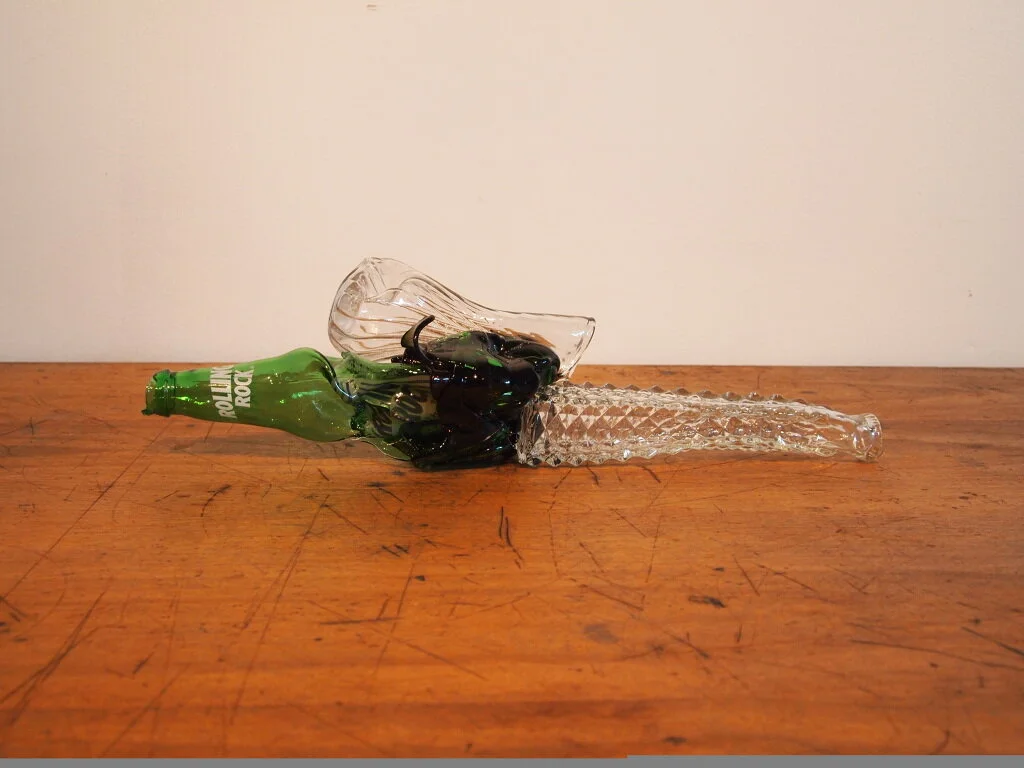
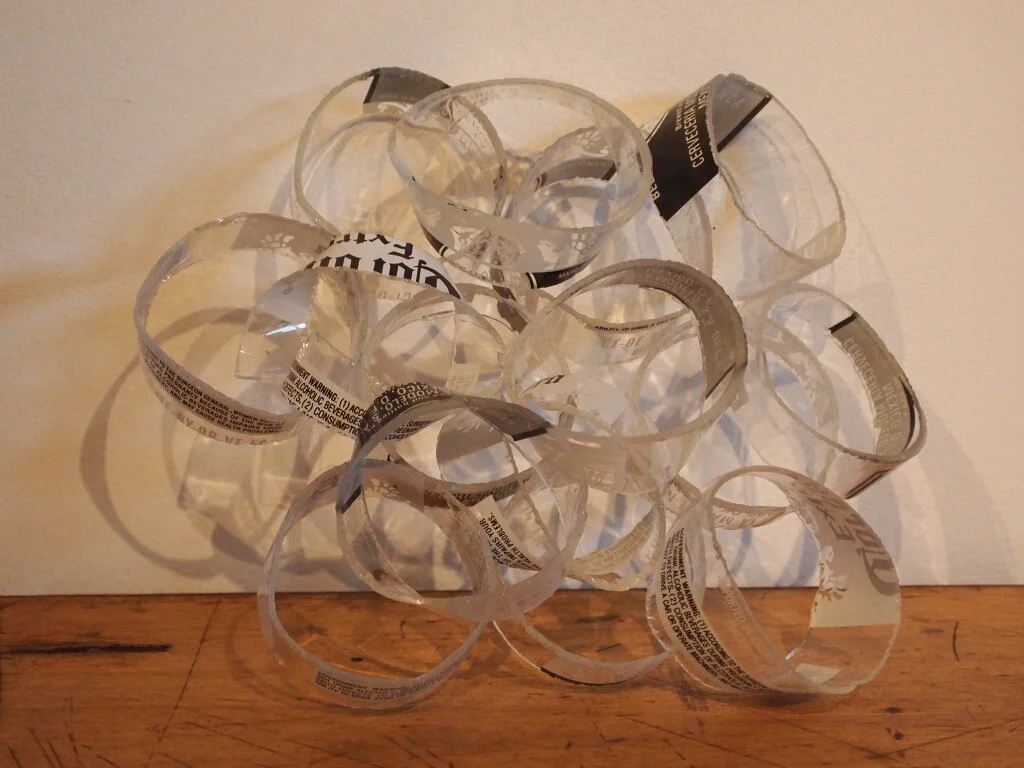
The FABRITORY is a collaborative art and awareness project by Deborah Czeresko and Kim Harty. It is an on-site glass blowing studio where the artists re-melt and restructure broken bottle glass using their extensive knowledge of glass processes. The FABRITORY is one part object fabrication and one part idea experimentation where the raw materials are the sedimentary shards and particles of glass off the bottom of a bulletproof glass enclosure. The shards are formed by the audience’s annihilation of used bottles inside the structure known as Glassphemy. The sculptures produced in the FABRITORY are a formal exploration defined by the limitations of the material: recycled bottle glass.The FABRITORY’S objective is to take the model of industrial recycling and put it into a sculptural context, where the viewer can experience the energy necessary to recycle. One of the key components to glass recycling is intense heat. Heat upwards of 2000 degrees Fahrenheit is necessary in order to remelt the broken shards. By approaching broken bottles from a sculptural perspective the artists take the idea of recycling out of its normal context and ask the viewer to reconsider their assumptions about the fate of their recycled bottles.Understanding the multifaceted nature of recycling means realizing that there is no “free lunch” when it comes to consumption. Recycling is a strategy to lessen our environmental impact, however, it is still an energy consumptive process. All materials have environmental consequences but glass is one of the better options. The FABRITORY exposes the fact that when glass containers are carted away they don’t just evaporate and begs the consumer to be conscious of their actions and to make more responsible choices.